Newborn Packages: Why Different Experiences Need Different Products
September 22nd, 2026
For a long time, the photography industry treated packages almost exclusively as a difference in quantity: 10 photos, 20 photos, 30 photos. But especially in newborn photography, I believe that difference needs to go far beyond the number of images delivered. Different packages should represent different experiences, not the same experience in different sizes.
Today I structure my newborn sessions this way: a smaller option with 10 images, a mid-tier option with 20, and a fuller option with 30. The number of photographs tracks what actually changes within the session — time, complexity, variety, family involvement, and, as a result, the client's own experience.
Not every family is looking for the same experience
A newborn session that includes only the baby looks very different from one that includes parents and siblings. When we photograph the whole family, there are more transitions, more combinations, direction for the adults, sometimes an outfit change, and far more possible images: baby alone, baby with mom, with dad, with both, with siblings, the full family together. That kind of experience takes more time and produces a much broader visual narrative.
That's why it never made sense to me to offer the exact same structure across every package and simply cut the photo count for the more affordable option. A smaller package shouldn't be the same session sold for less. It needs a smaller, coherent scope that matches the investment.
This matters especially in newborn work because clients arrive at the studio with very different needs. Some mothers have just given birth and simply don't want to be photographed at that moment, whether they're still recovering, not feeling comfortable in their body yet, or just want the focus entirely on the baby. Some families would love to document this stage but need to work with a smaller budget right now. And others want the opposite: a longer experience, varied compositions, photos with the whole family, a fuller documentation of this beginning.
None of these needs is wrong. It's the photographer's job to build offers that make sense for each one.
Having a more accessible option isn't undervaluing the work
There's a common fear that creating a smaller package will lower the average sale or cheapen the service. That happens when a photographer offers essentially the same experience across every package and only changes the number of files delivered. In that scenario, it really is hard to justify the price difference.
But when there's a real change in scope, the logic changes too. A shorter session, focused only on the baby, with fewer compositions, can naturally carry a different investment than an experience with family, more setups, and more direction. The client isn't buying less of the same thing. She's choosing a different experience.
This structure also lets me serve different families without turning price into a discount. The family that couldn't invest in the fuller experience still gets to document a stage that lasts almost no time at all, and the family that values variety, participation, and physical products finds an option proportional to what they want.
The fuller package needs to actually feel full
In my most complete experience, the album is already part of the package, and to me that's simply consistent. If a session was designed to tell a bigger story, one that includes the baby and the family, the album stops being an add-on and becomes the natural conclusion of the experience.
Printed photographs serve a different purpose than images that only live in a digital gallery. An album creates sequence and rhythm. It lets you return to that story years later without depending on a phone or a file stored somewhere. It's the kind of product that can carry across generations, which is exactly why I think it's so important for photographers to see physical products not just as a way to raise the average sale, though they do that too, but as part of building the experience itself.
What about the 10-image session?
This was a problem I had within my own packages. In the smaller sessions, I could sell physical products without much trouble. A framed print, for example, works well because a single photograph can already become an important piece in someone's home. An album was harder. A traditional album naturally calls for a more narrative language, a sequence of images, and in a collection of just 10 photos, the product often felt too large for the experience that had been sold.
It wasn't a problem with the album itself. It was a problem of proportion between session, image count, product, and investment.
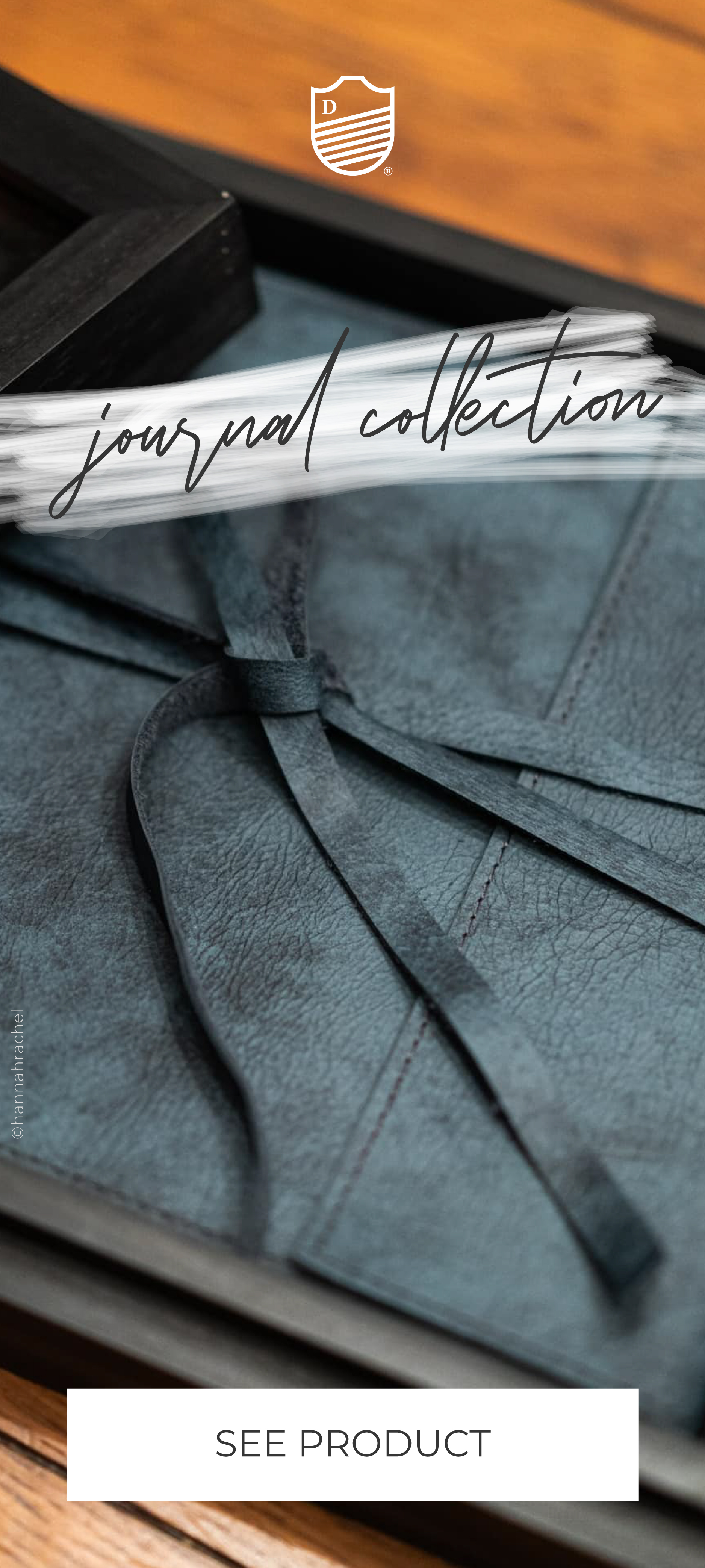
That's where the Studio Book, from DreambooksPro, found a very specific place inside my sales structure. With five spreads, I can work the ten images from that collection cleanly and in balance, keeping the language of an album without turning a small session into something it isn't. The product matches the size of the experience, and commercially, that makes a real difference. Beyond the excellent value, it finally let me offer an album that made sense even for clients who choose the 10-image collection. Today it's one of my best sellers and one of my favorite DreambooksPro products.
The right product doesn't have to be reserved for the top package
This might have been my biggest lesson. For a long time it was easy to associate albums only with the premium experience. But we don't need to exclude physical products from smaller packages, we need to find products proportional to them. It sounds like a small distinction, but it changes the entire strategy.
If a client chooses a 10-image session, I don't need to turn her into a 30-image client just so she can take an album home. I can respect the choice she made and offer a product whose scale, format, and price match that experience. At the same time, in the larger sessions, fuller albums still make sense, because there's a bigger story to tell there.
So I stopped asking only how to sell more products, and started asking which product makes sense for each experience I offer.
Design the experience first. Choose the product after.
For anyone working in newborn photography, this is one of the most important points when building packages. Don't start by picking three photo counts and attaching three prices. Start by asking what actually changes from one experience to the next: whether the family is involved, how many photographic possibilities that session produces, how much time it requires, how complex it is to execute, which physical product fits that number of images, and which client that experience was built for.
Once those answers are clear, price stops being the only perceived difference between packages. There's a real progression of value, and physical products find a far more natural place within that structure.
In my case, this is exactly what made a compact product like the Studio Book so important. It didn't need to change my smaller session to fit the product. The product was finally what fit the experience I was already offering.

 Português (Portugal)
  Español (España)
  Français (France)
  Italiano (Italia)
  Deutsch
  English (en-GB)
  Português(pt_BR)